


 EN
EN
![Choose Energy-Efficient Air Pipes to Reduce Leakage [Guide]](https://shopcdnpro.grainajz.com/category/374299/2466/6ab9fd5c69a8864c0f1012f9fbe15b3f/5b66b704-8e60-41df-81e0-43c851b3d56c.jpg)
![Choose Energy-Efficient Air Pipes to Reduce Leakage [Guide]](https://shopcdnpro.grainajz.com/category/374299/2466/ba23363e38c4d40101a70b1a1abe239e/%E6%9C%AA%E6%A0%87%E9%A2%98-1.jpg)
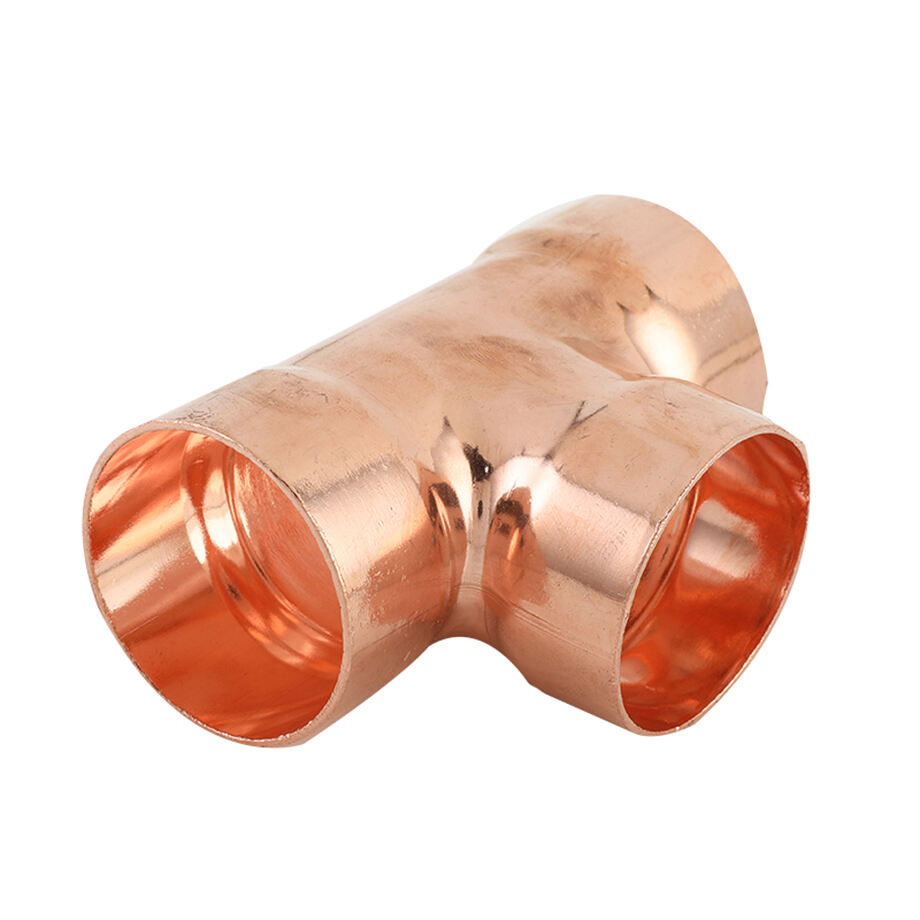
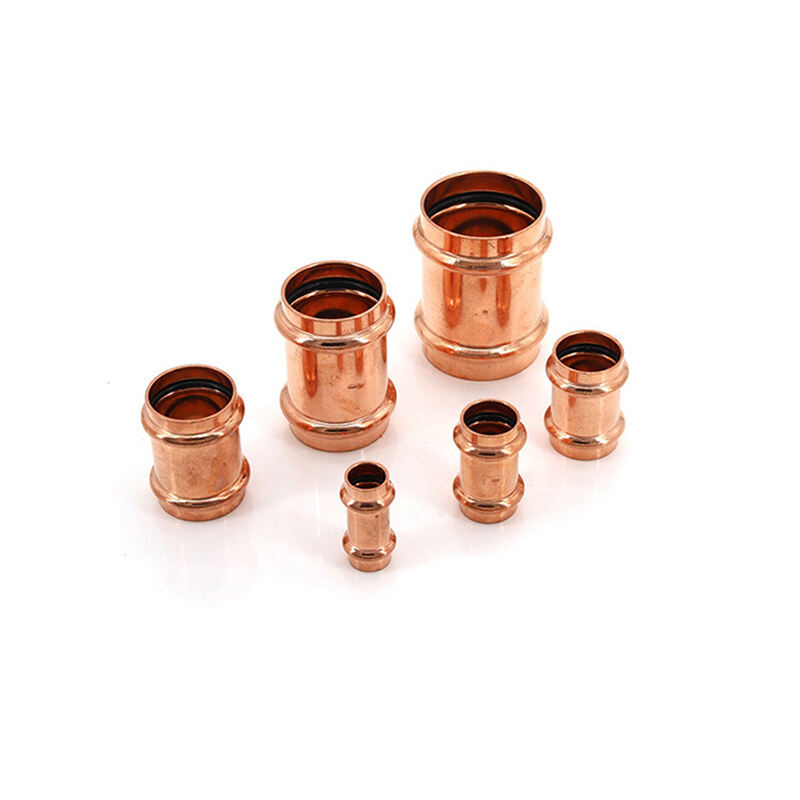
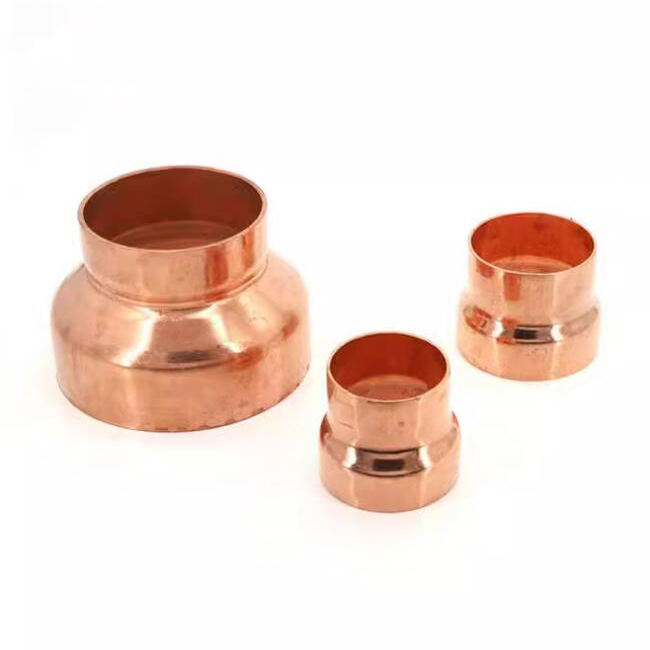
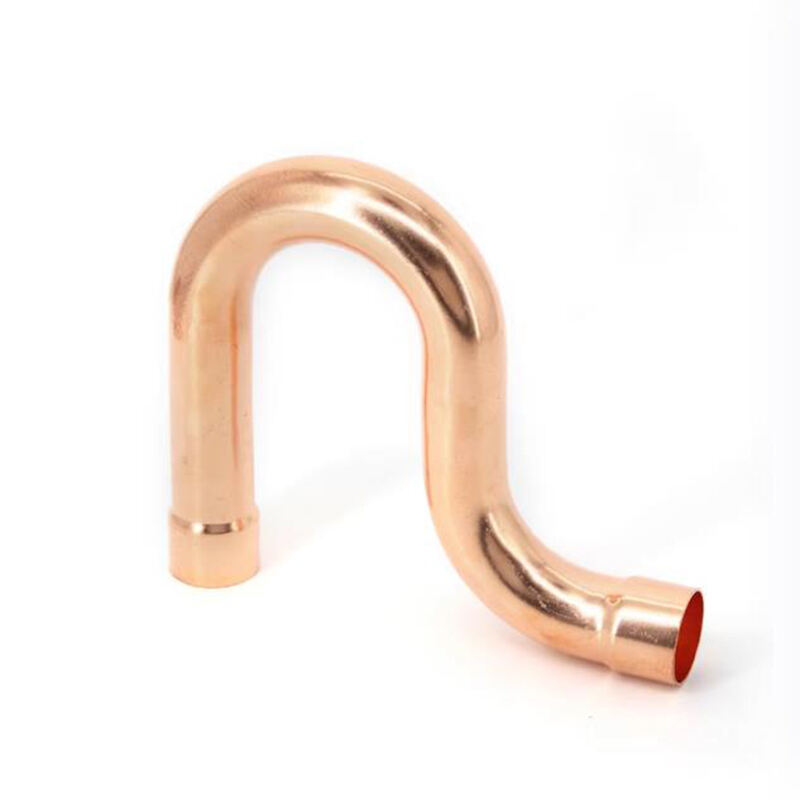
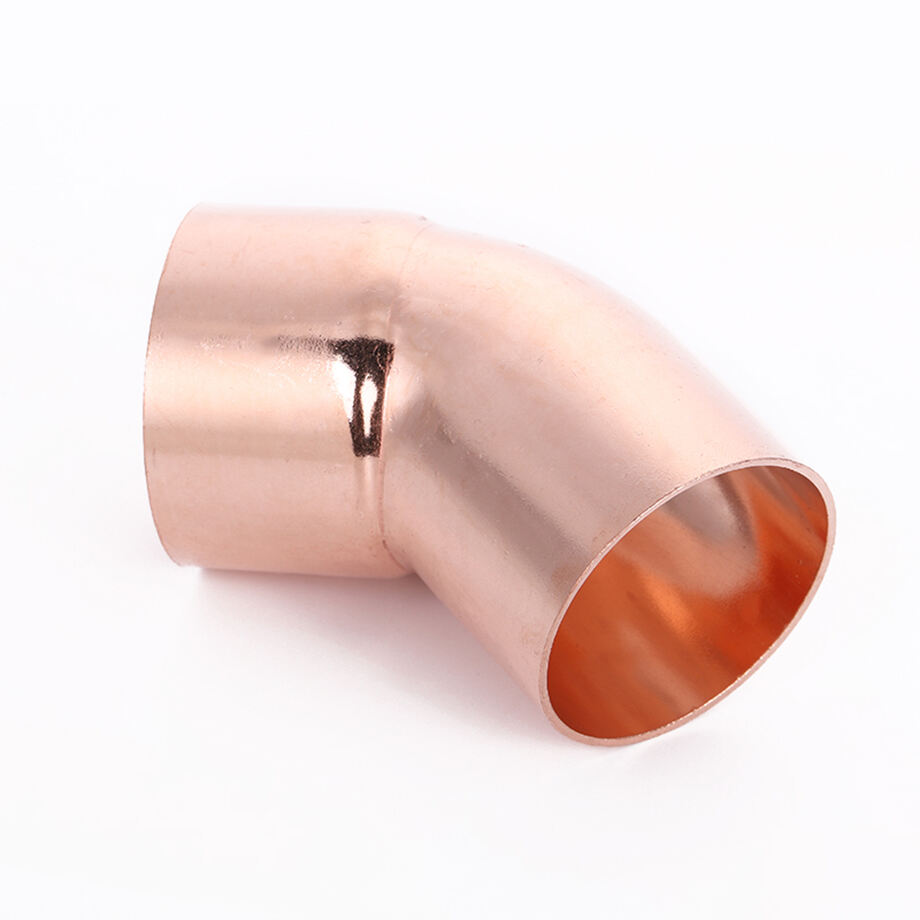
Air pipes are key components of industrial production, air commercial buildings, and residential ventilation systems, as they ensure proper ventilation. The consequences of choosing poor quality air pipes can severe air leakage and excessive energy consumption. Improper air pipes can lead to waste of compressed air, heated air, or cooled air, making the ventilation or air-conditioning system work overtime to maintain the desired pressure and temperatures. This increases operational cost and shortens equipment service life. Therefore, knowing the right air pipes to prevent air leakage and save energy is important to enterprises and users. The site at https://www.jufangpipes.com/ offers different air pipes and can be used as a reference for quality air pipes.
Reduction of Air Leakage: Material Selection of Air Pipe
The impact of the air pipe material on air leakage and energy efficiency is significant. Different air pipe materials vary in terms of airtightness, resistance to corrosion, and insulation properties.
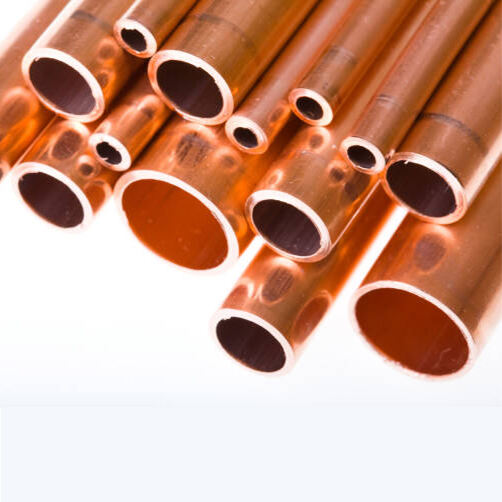
Metal air pipes are also made from galvanized steel. While they offer good rigidity, they also have excellent durability. However, if unsealed joints are made, they are prone to air leakage. However, air pipes made from plastic, such as PVC, are usually more sealed. However, they aren’t suitable for high-temperature environments. In terms of plastic air pipes, you are allowed to use fiberglass reinforced as they offer good corrosion resistance. They are also thermal insulators, which helps to reducing excessive heat loss or gain during air transportation. In terms of energy conservation, this is best. While fiberglass reinforced plastic air pipes have good thermal insulation, corrosion resistance, and energy conservation, each application will be determined by ambient conditions such as temperature, humidity, and the type of air. Most suitable to least air leakage will be available. In these cases, fiberglass reinforced will be available.
Minimizing Air Leakage Points in the Structural Design of Air Pipe
The design structure of the air pipe will influence the amount of air leakage that is likely to occur. The risk of air leakage can be minimized by employing good design principles. In the first instance, the air pipe diameter should be determined according to the air flow rate.
If the diameter is too small, the air velocity will be too high, resulting in excessive pressure loss and potential air leakage at the joints. If the diameter is too large, it is inefficient to airflow and wastes materials. Third, the number of joints and bends in the air pipe should be kept to a minimum. Each joint and bend is a potential air leakage point. Using longer air pipe sections and smooth bends will reduce the number of joints and the resistance to airflow, thus, reducing air leakage and the energy required to do it. Furthermore, the method of connecting the air pipe will be central. Flange connections can be made airtight if sealed gaskets are used, and quick-connect joints should be used for their reliability and anti-leakage.
Sealing of the air pipe to no air leakage is still crucial to no air leakage, regardless of the right materials and the pipe structural design. The sealing of the air pipe involves the joints, seams and openings.
For metal air pipe junctions, weather-resistant sealants with high adhesion properties will close seal the gaps in the pipe flanges. For closed plastic air pipes, the hot melt weld seal method will integrate the pipes and the sealed joint will prevent any air leakage. During the manufacturing process, closed spiral air pipes and other pipes will require professional sealants or sealing strips for the longitudinal seams. After the air pipe has been installed, any openings, such as inspection ports and branch connections, require sealing as well. Inspection and maintenance of sealing materials will also be necessary, as they will age over time and need repair in order to prevent air leakage.
Air Pipe Thermal Insulation Performance: An Important Aspect of Energy Saving
Sealing air leaks in order to save energy is very important, but the uninsulated air pipe will allow heat exchange with the external environment, which will affect the energy saving efforts.
Take summer as an example. The air coming through the air-conditioning ducts is cool. The ducts absorb heat from the outdoor air, causing the temperature of the cold air to warm. This condition forces the air-conditioning system to spend extra energy to cool the air again. Conversely, the heated air ducts lose heat to the outside and the warm air reduces the heating effect, resulting in greater energy consumption. Therefore, selecting an air duct with better thermal insulation or adding insulation to the ducts will help in energy conservation. Thermal insulation should be low in thermal conductivity, and in addition, moisture and fire resistance are a plus. Air ducts commonly use glass wool, rock wool, or polyurethane foam. The insulation thickness will depend on local climatic conditions as well as the temperature difference between the inside and outside of the duct.
Considerations for Purchasing Air Pipe from https://www.jufangpipes.com/
To purchase an air duct that reduces air leakage and saves energy, you can go to https://www.jufangpipes.com/. This is a dependable source.
You need to clearly say what you need from the supplier you are talking to online. Tell them what you will be using the air pipe for, what air flow, temp, and pressure you expect. This will help them help you choose the best air pipe material, size, and design for what you will be using it for. Next, you can ask the supplier about the air pipe sealing and insulation methods. A good supplier will be able to tell you what sealant was used and how it was applied and the insulation properties. Third, ask for air pipe samples and examples or case studies. Examining the samples will show you the air pipe quality. You can tell how fine the inner wall is, how well the joints are sealed, and how thick the pipe is. Case studies show how well the air pipe works in similar projects, it will show you air leakage, and how much energy was saved. Last, check what after sales services the supplier will give you.
Effective after-sales service will address any issues that come up during installation and use of the air pipe and will guarantee the smooth operation of the air pipe system. This service will help achieve the goal of minimizing air leakage and conserving energy.